

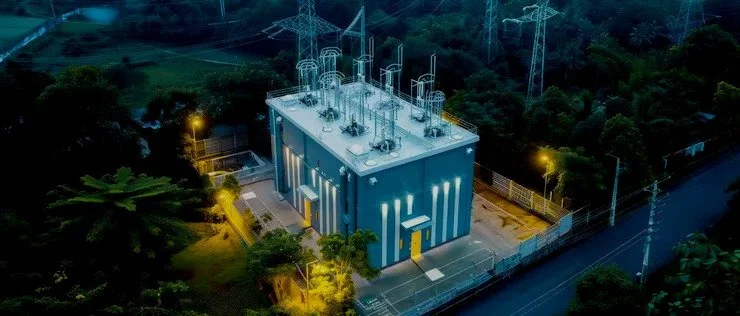

Solar generation, EV charging readiness, HVAC efficiency, utility metering, insulation ratings, etc.
Energy Domain
S.H.O.(t)²® Energy domain upgrades save money through federal and state incentives and lower utility bills.
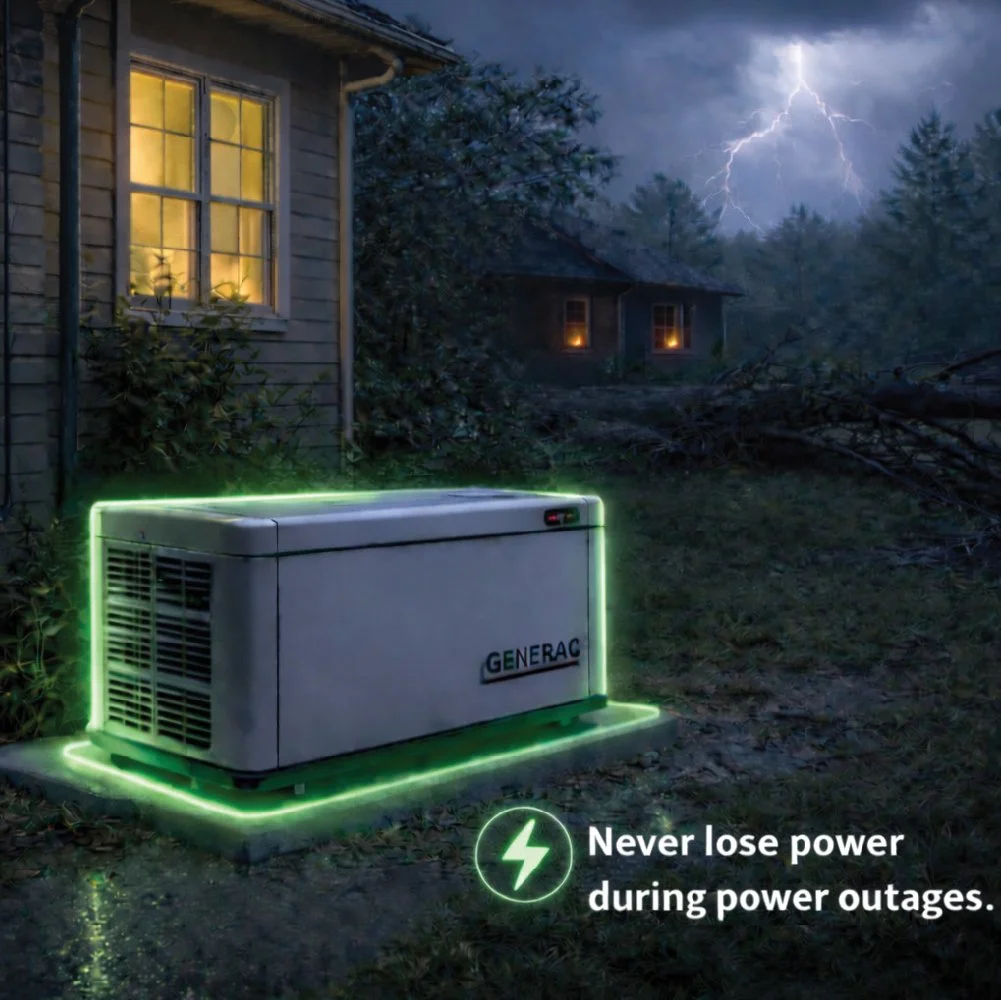
In the Energy domain of the A.T.O.M. framework, S.H.O.(t)²® highlights smart upgrades that lower utility bills while protecting your home through brownouts, provider outages, and severe-weather disruptions. Solar paired with battery storage can keep critical loads running (refrigeration, medical devices, communications, and select HVAC). Federal incentives can offset a major portion of the upfront investment—including a 30% Residential Clean Energy Credit for eligible solar and battery storage systems —and additional rebates are often available at the state and utility levels.
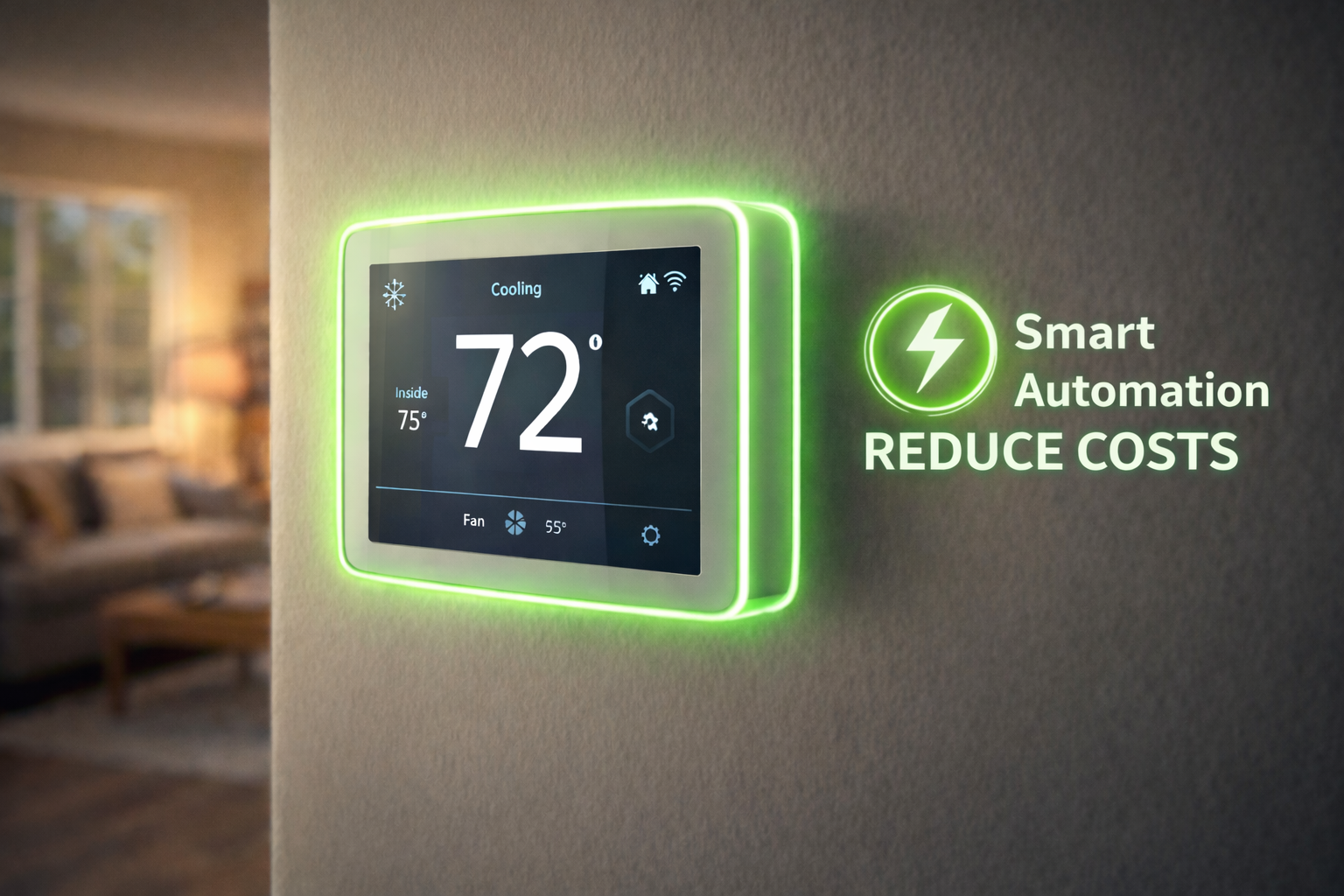
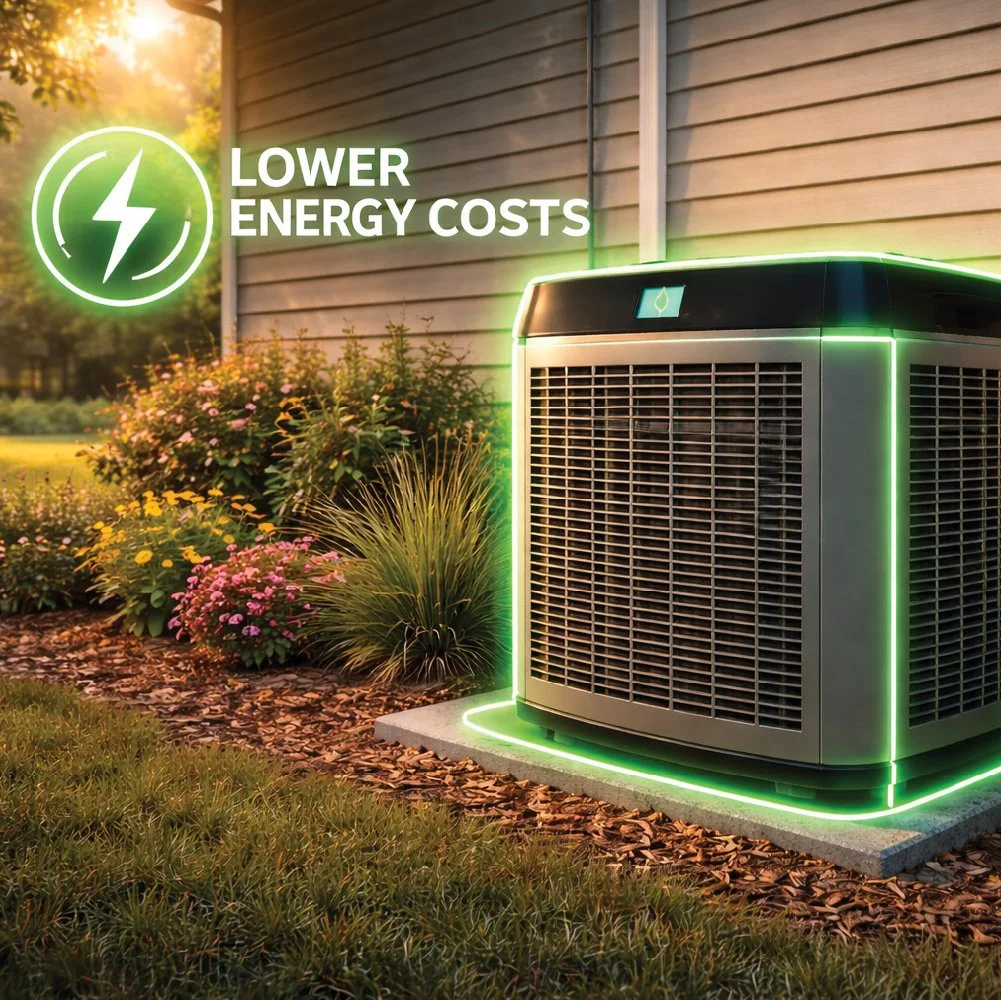
High-efficiency HVAC—optimised with an ENERGY STAR smart thermostat—can further reduce heating and cooling costs, while smart ELV/LED lighting upgrades cut waste in one of the easiest, fastest ways to save. In fact, the U.S. Department of Energy estimates the average household can save about $225 per year by switching to LED lighting. S.H.O.(t)²® turns these improvements into verified, marketable proof of energy efficiency, savings, and resilience—helping your home stand out as energy-smart and outage-ready.
The Energy Domain offers resiliency protection from power outages and natural disasters, in addition to annual savings and federal and state incentives for:
Solar panels
Energy-efficient HVAC systems
Smart thermostats
LED lighting
S.H.O.(t)²® Energy domain upgrades save money through federal and state incentives and lower utility bills.
Goverment Intensives:
Federal tax credits for solar and high-efficiency equipment
State incentives may also apply (rebates, credits, etc.).
Potential Energy Domain Savings
S.H.O.(t)²® homes with Energy upgrades can save a typical household $800–$1,800 per year in energy costs.
Total annual estimated savings before state and federal incentives:
Solar: $1500
LED infrastructure: $225
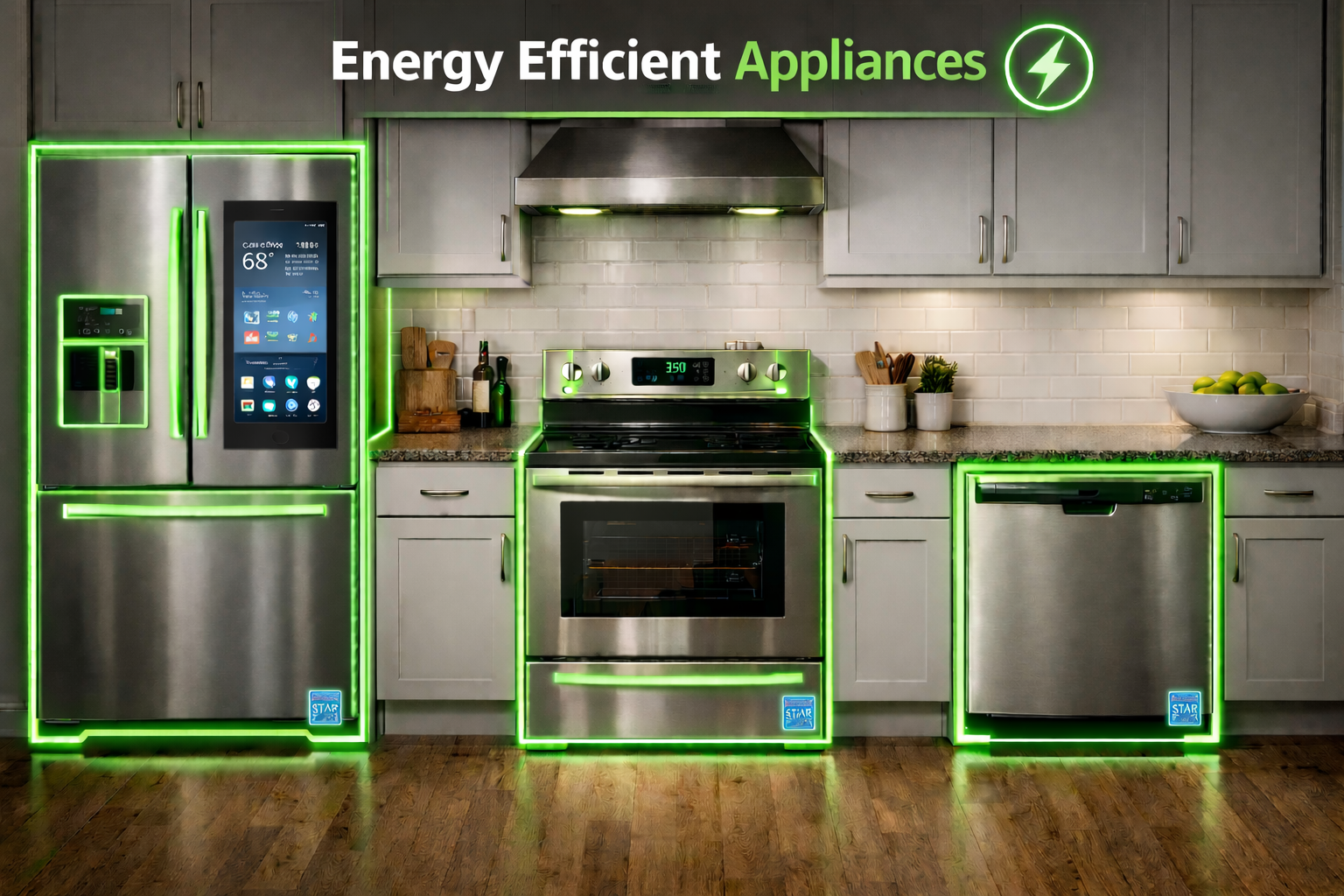
All Smart Appliances: $100 (Energy Star)
Estimated Total: $1825
*Note: Real-world range is wide; energy savings can be meaningfully higher in high-rate states and lower where export credits are reduced.
Disclaimer
Incentives may vary by state and utility provider and are subject to change. Consult your tax professional, local utility, or state energy office.
References
a) ENERGY STAR. (n.d.). Smart thermostats FAQs for EEPS. https://www.energystar.gov/products/heating_cooling/smart_thermostats/smart_thermostat_faq
b) Database of State Incentives for Renewables & Efficiency (DSIRE). (n.d.). About DSIRE. https://www.dsireusa.org/
c) Internal Revenue Service. (2025, July 3). Residential clean energy credit. https://www.irs.gov/credits-deductions/residential-clean-energy-credit
d) Internal Revenue Service. (2025, May 29). How to claim a residential clean energy tax credit (battery storage eligibility). https://www.irs.gov/credits-deductions/residential-clean-energy-credit
e) U.S. Department of Energy. (n.d.). Lighting choices to save you money.